Discover the Photo Story of “Deadly Cairns”
Join Joana and Brian as they solve the Shutterbug Mystery “DEADLY CAIRNS” across some of Scotland’s most scenic locations. Below, you can view photos of the actual sites featured in their investigation.
Even more photos of Scotland you can see here.
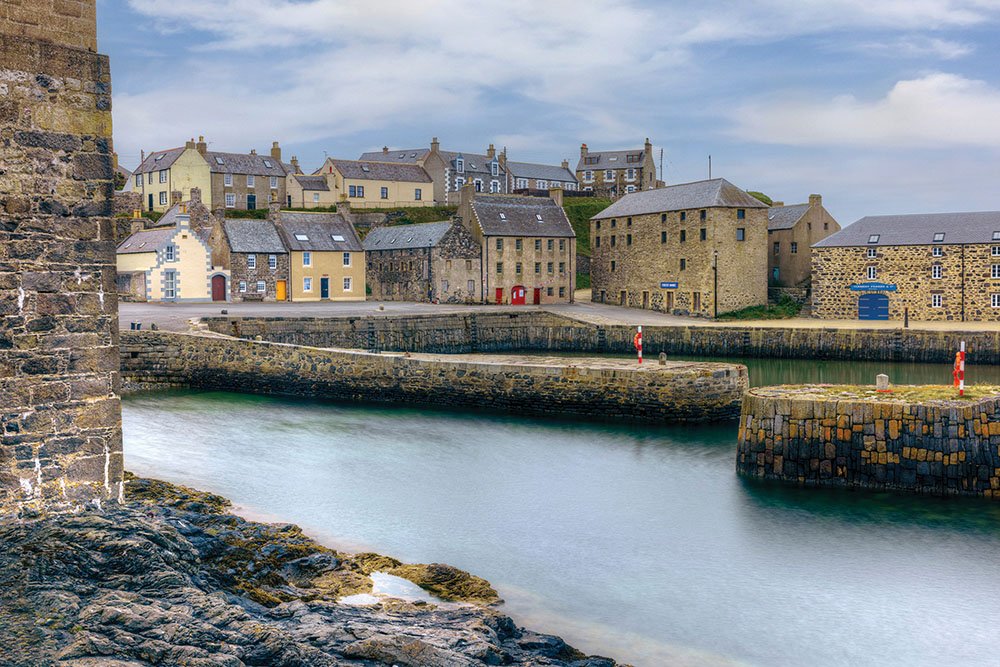
Two days after our misty morning encounter with the police officer, we were huddled in our Portsoy B&B room like a pair of pensioners during an energy crisis. Brian had wrapped himself in not one but three blankets. The floral wallpaper competed aggressively with the equally floral bedspread. We might have been warm if flowers on furniture actually generated heat.
"The heating runs for a full hour each morning and evening." I could still hear the pride in our host's voice at check-in. She made it seem like we were getting a luxury spa treatment.
Brian clutched his fourth cup of tea, hoping to warm at least his fingers. "That was Scottish hospitality-speak for: 'I'd rather see you turn into human icicles than pay an extra quid on my heating bill’." He shot me one of his dramatic looks. “I’ve had warmer baths in the North Sea."
"Did you know him? Ben Gillespie?"
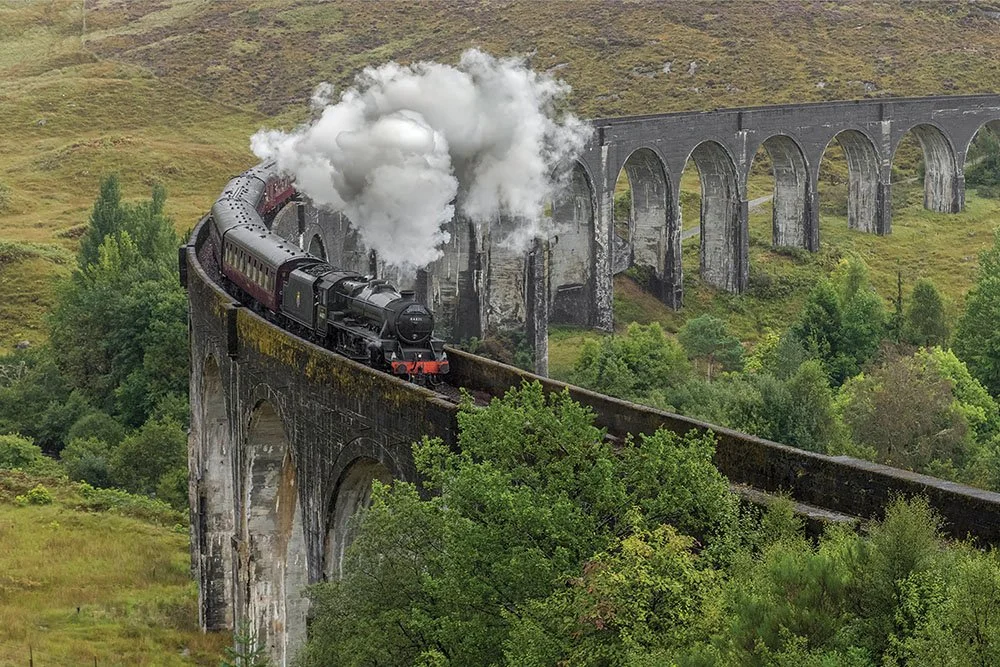
"Saw him around sometimes. He came up here with his drone often enough." Malcom spat on the ground. "One of those rat packs with selfie sticks and drones. But at least he walked to the spot. Some of these drone nutters don't even leave the car park. Just launch their contraptions from right there and later claim they've 'seen' Glenfinnan." He spat again for emphasis.
"What bothers you the most about them?" I asked, genuinely curious.
"The lack of originality!" His voice dripped with scorn. "Everyone queues for the identical shot of the same train, the same billow of steam, convinced they've caught something unique. Hardly anyone even shifts an inch to the left or right. It must be that precise angle they saw on Likecosm."
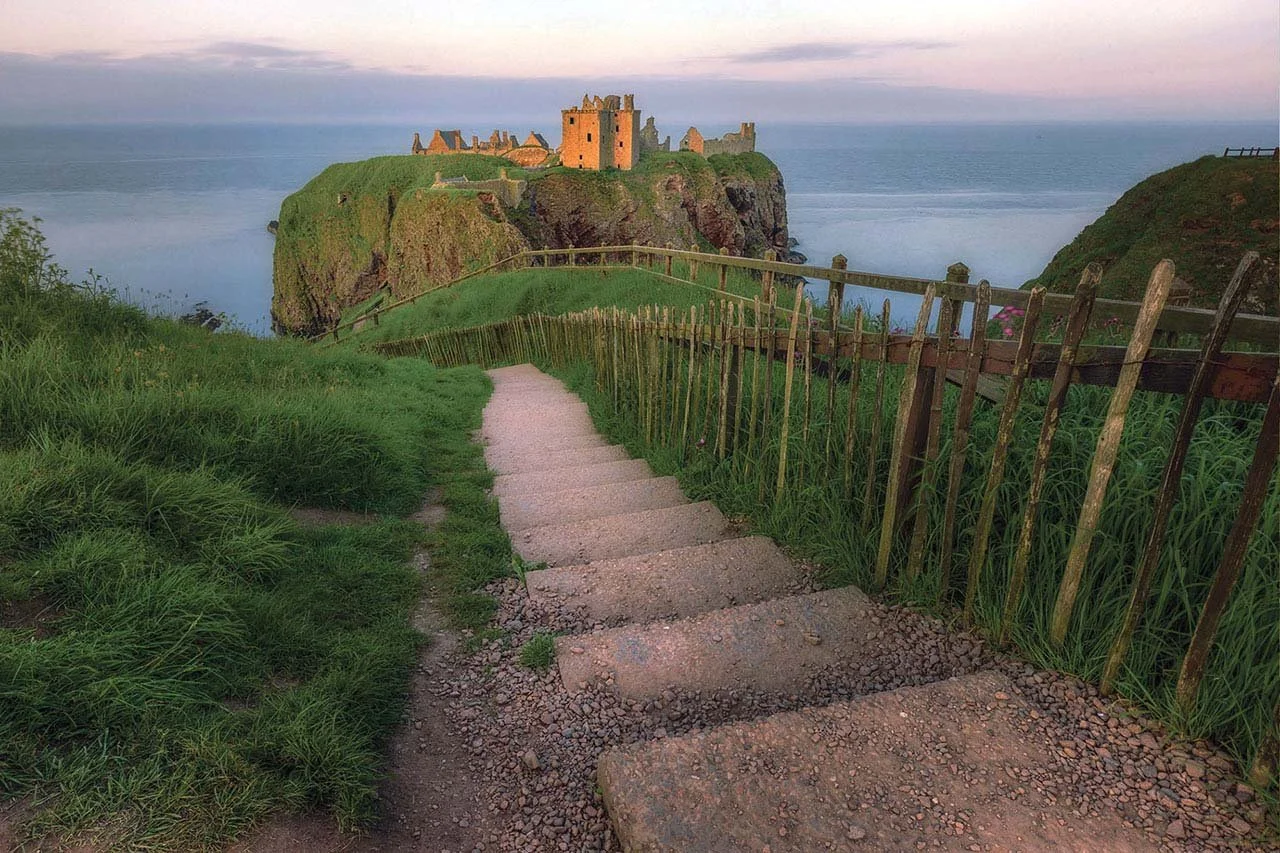
Dunnottar Castle was part ruin, part fortress, its walls rising from a rocky base. The sea surrounded it on three sides. A single steep path led up to the gate. The cliffs dropped almost straight down, and the waves crashed against the rocks below. It was a dramatic place. It’s no surprise that it’s one of the most photographed castles in Scotland, and especially popular among influencers. Maisie was one of them.
I could easily picture the photograph Maisie Steele was hoping for: her standing against a backdrop of waves, bathed in the glow of the early morning sun, wearing a flowing dress, posing like a mythical, ethereal fairy.
"This is where Maisie Steele died," I pointed to the cliffs.
As soon as our landlady left, Brian rushed to the bathroom. Minutes later, steam rolled out from under the door while his off-key version of "Scotland the Brave" echoed through the cottage, punctuated by occasional sighs of bliss.
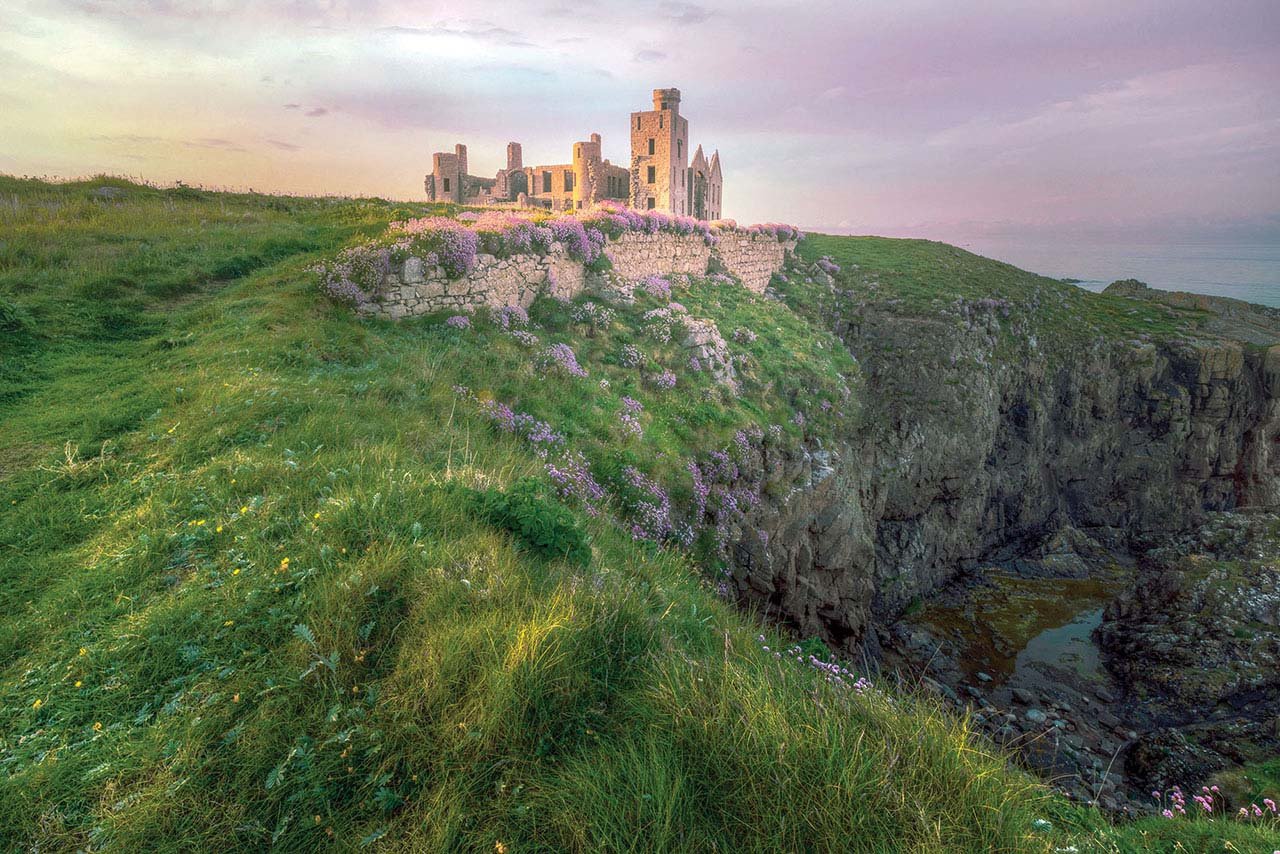
I opened the front window and took a deep breath of the crisp, salty air, looking out over Cruden Bay for the first time. The village stretched along a wide sandy beach, flanked by rocky cliffs. At the far end, I could see New Slains Castle. Even under the bright sun, the castle looked spooky. It was a ruin, the roof having been deliberately removed decades earlier by the owner to avoid taxes, leaving it to decay. Nevertheless, it remained an iconic local landmark. I'd photographed it before, but I always made sure to leave before it got dark. Something about the place made me uneasy, as if it was best not to stay after sunset. It's both beautiful and profoundly haunting. No wonder Bram Stoker was inspired here, writing "Count Dracula" during his stay in Cruden Bay.
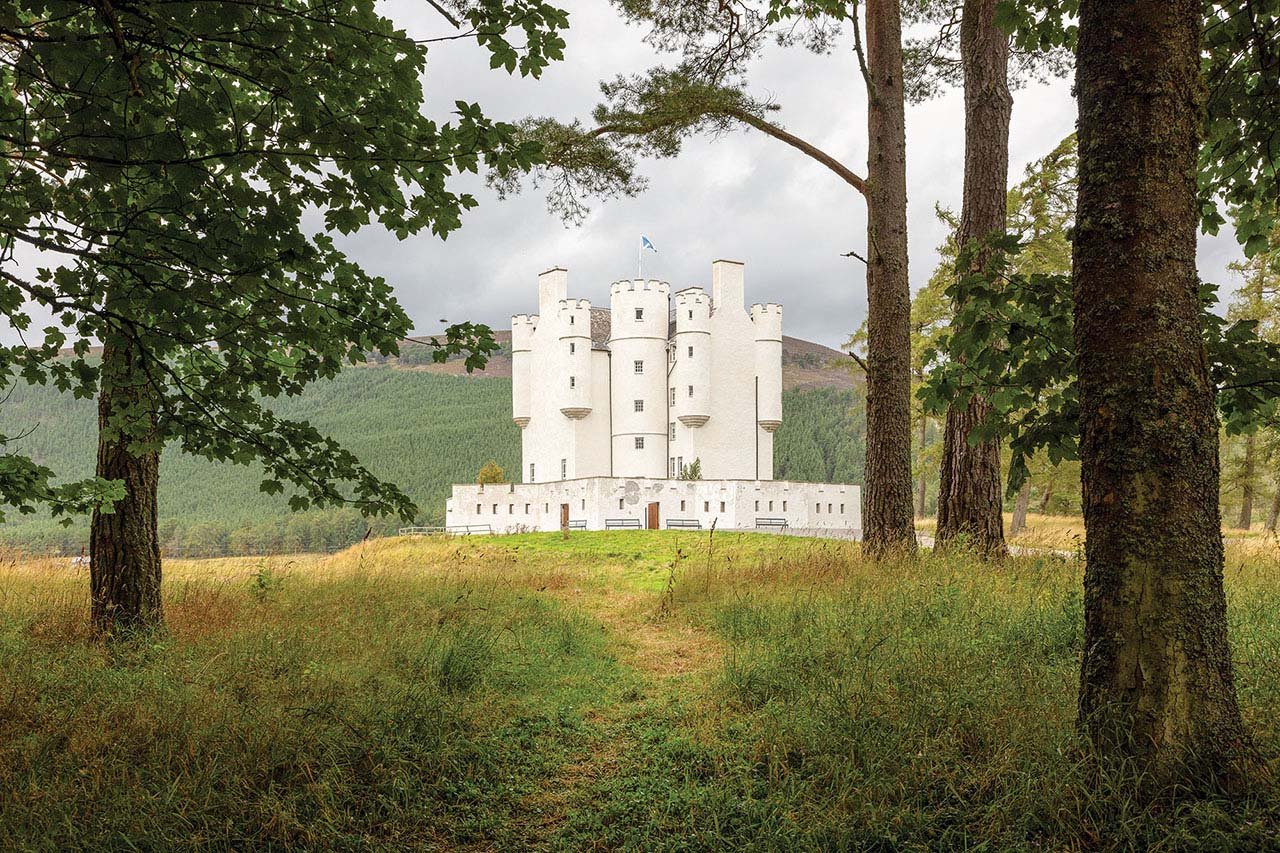
I followed him, but at a slower pace. “What exactly are we queuing for?” I asked.
“No idea, but,” he gave me the same look my dad used to give when I forgot to wash my hands before dinner. “Jo, if there’s a queue, you join it. That’s the unwritten rule. A long queue usually means free stuff, like a drink, a souvenir, or something to eat.”
“Brian! We’re meant to meet Haggis-Fiona! We don't have time for this!” I tried to pull him away, but he was completely determined to wait and see what free treasures the queue held.
I gave up and wandered over to Braemar Castle instead. It looked unusual, with white walls, pointed turrets, and a star-shaped curtain wall.
An information board explained it’d been home to the Farquharson clan chief for centuries before it fell into disrepair. It wasn’t the National Trust or a wealthy American who saved it. Local people did the work. They took over the castle for the price of just one peppercorn a year. Since then, a group of volunteers has been cleaning, painting, fixing old cracks, and working on the gardens.
I started to think I knew why Brian had joined the queue.
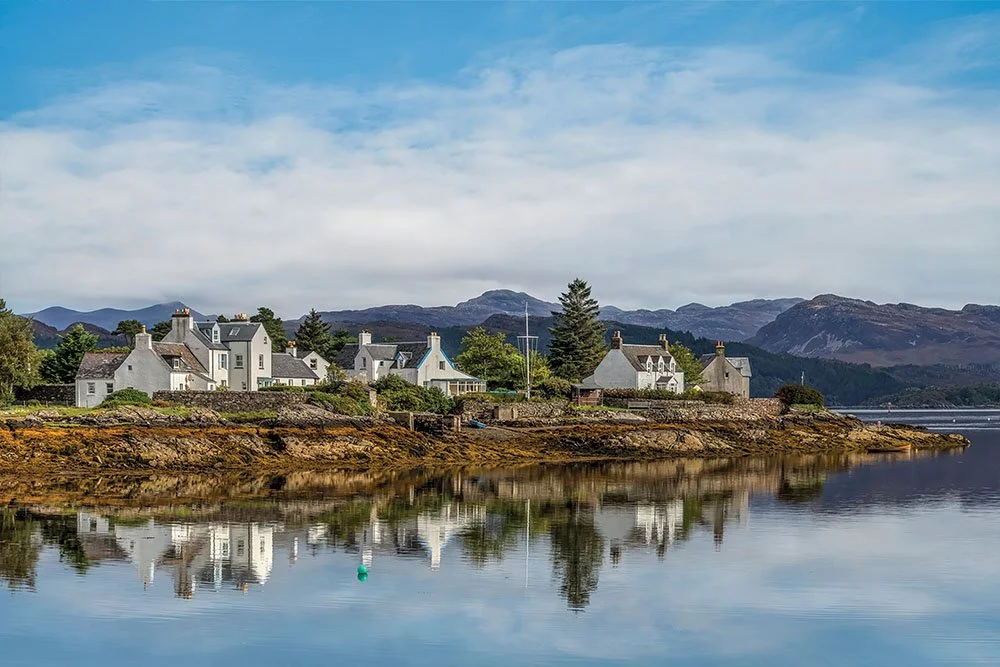
The journey to Plockton took us through some of the most spectacular scenery Scotland has to offer. Navigating the hairpin turns, I gripped the steering wheel, struggling to focus on the road instead of the stunning, mirror-like lochs below. Each bend revealed another perfect image: mountains reflected in the water, stone bridges arching over fast-flowing streams, and a scattering of Highland cows utterly unfazed by the spectacle. Beside me, Brian alternated between photographer's ecstasy and passenger's agony.
"Did you know Plockton has palm trees?" Brian said, staring at his phone to avoid looking out the window during a particularly serpentine stretch. "They grow there because of the Gulf Stream. Makes the climate much milder than you'd expect for the Scottish Highlands."
"Fascinating," I replied, carefully navigating around a tour bus that had decided to take up approximately one and a half lanes of the small road.
"Plockton was a planned village, built in the early 1800s," Brian continued. "Used to be a fishing hub. Then it became famous as the filming location for that TV show, Hamish Macbeth. The one with Robert Carlyle."
"Are you reading the Wikipedia page to distract yourself from being carsick?" I asked.
"Is it working?"
"You're still the colour of wasabi, so I'd say no."
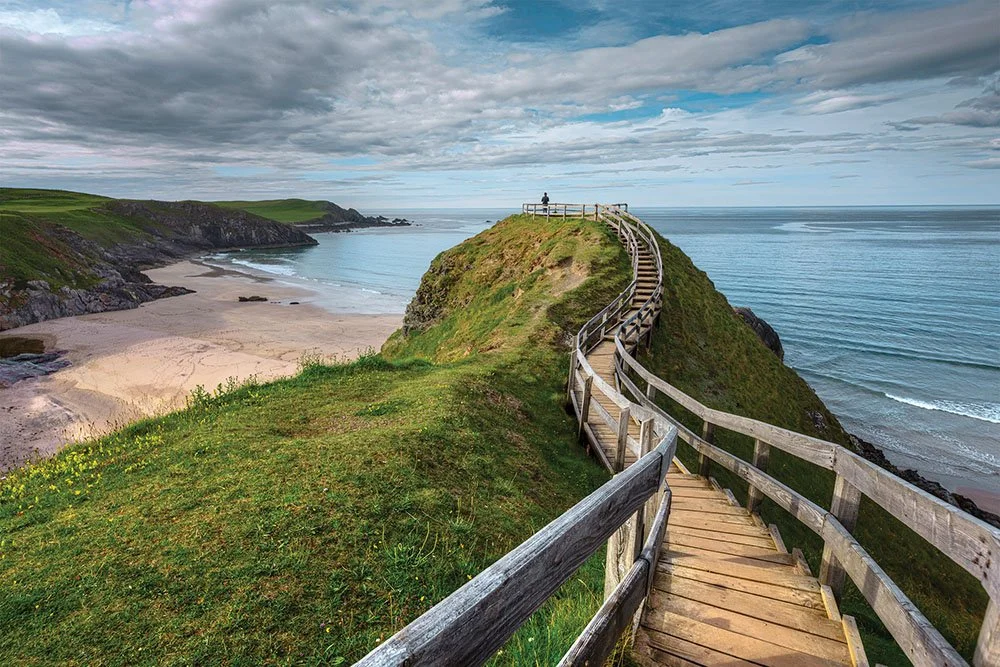
The single-track road was so close to the coastline that my car was probably afraid of falling into the sea. After three hours of Brian’s sighs and complaints, I was beginning to wish it would. Not the whole car, mind, just his side. The NC500 route might be Scotland's answer to Route 66, but unlike its American cousin, it consists mostly of narrow lanes with passing places and sheer drops that make even confident drivers grip the wheel a bit tighter. We’d been driving for what felt like forever, heading to the northernmost tip of mainland Britain. Brian was nearly out of vegan snacks and, even worse for him, out of mobile phone reception, so his patience was running thin.
"Are we there yet?" Brian asked for what must have been the twelfth time since lunch. I always thought that was a question for four-year-olds, but then again, with Brian, there’s not much difference. He slumped in the passenger seat, staring hopelessly at his phone. "No signal. Again. We're literally driving to the edge of nowhere, Jo."
I kept my eyes fixed on the narrow road. "That's rather the point. Our killer has a taste for scenic backdrops. Plus, this meeting might finally give us some real leads."
"Most sensible people don’t drive five hours to a place with no signal just for a meeting." He put away his useless phone with a melodramatic sigh. "Jo, you know there’s this thing called Zoom now. No driving, no stress. Just WiFi and a laptop. And I don’t even want to start with the fact that if we have a breakdown now, we’ll probably get eaten by whatever Highland creatures live out here."
"Mostly sheep, Brian. Sometimes a Highland cow. Neither are known for their taste for humans."
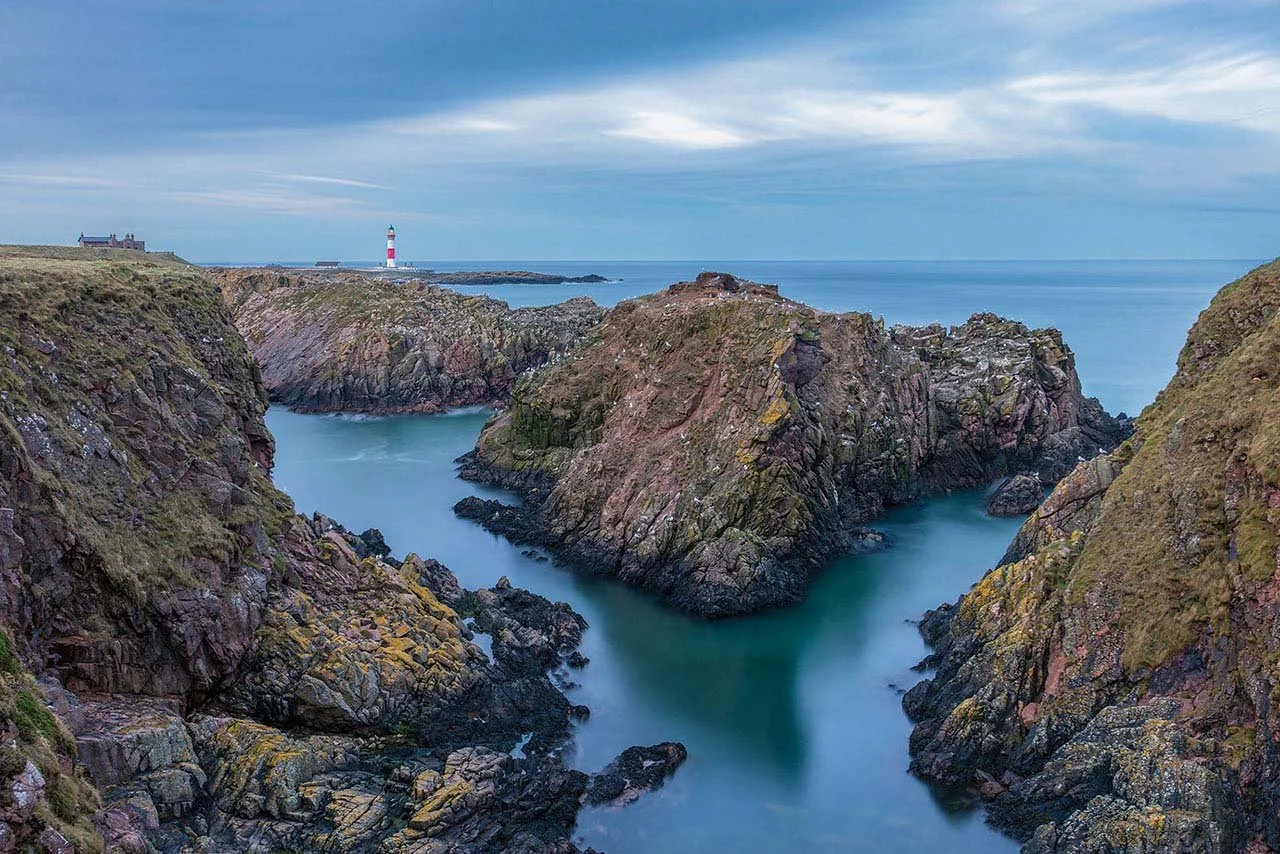
"Your bravery in the face of potential murder is inspiring," I said dryly, adjusting my camera settings to capture the lighthouse with my old-fashioned, down-to-earth device. "What happened to 'I'll never fly a drone again’?”
"I never said that," Brian protested, attaching the propellers. "What I said was, I wouldn't fly in known killer hotspots. And nobody cares about Boddam. No offence to Boddam," he added, glancing around as if the local tourism board might be lurking behind the information sign.
"And you know this how?" I asked.
"Checked the geotag data!" He was clearly proud of himself. "None of the accounts on our list picked Boddam as their ‘I’m-going-to-go-viral’ spot. Our killer wants a stage, not some quiet place. They want to make a statement where people will notice."
Brian stared at me. "Did you just fake static? On a mobile phone? What is this, a 1990s TV show?"
"It worked, didn’t it?" I put my phone away. "We told Murray like we said we would, and we still have time to meet Reggie before the police show up."
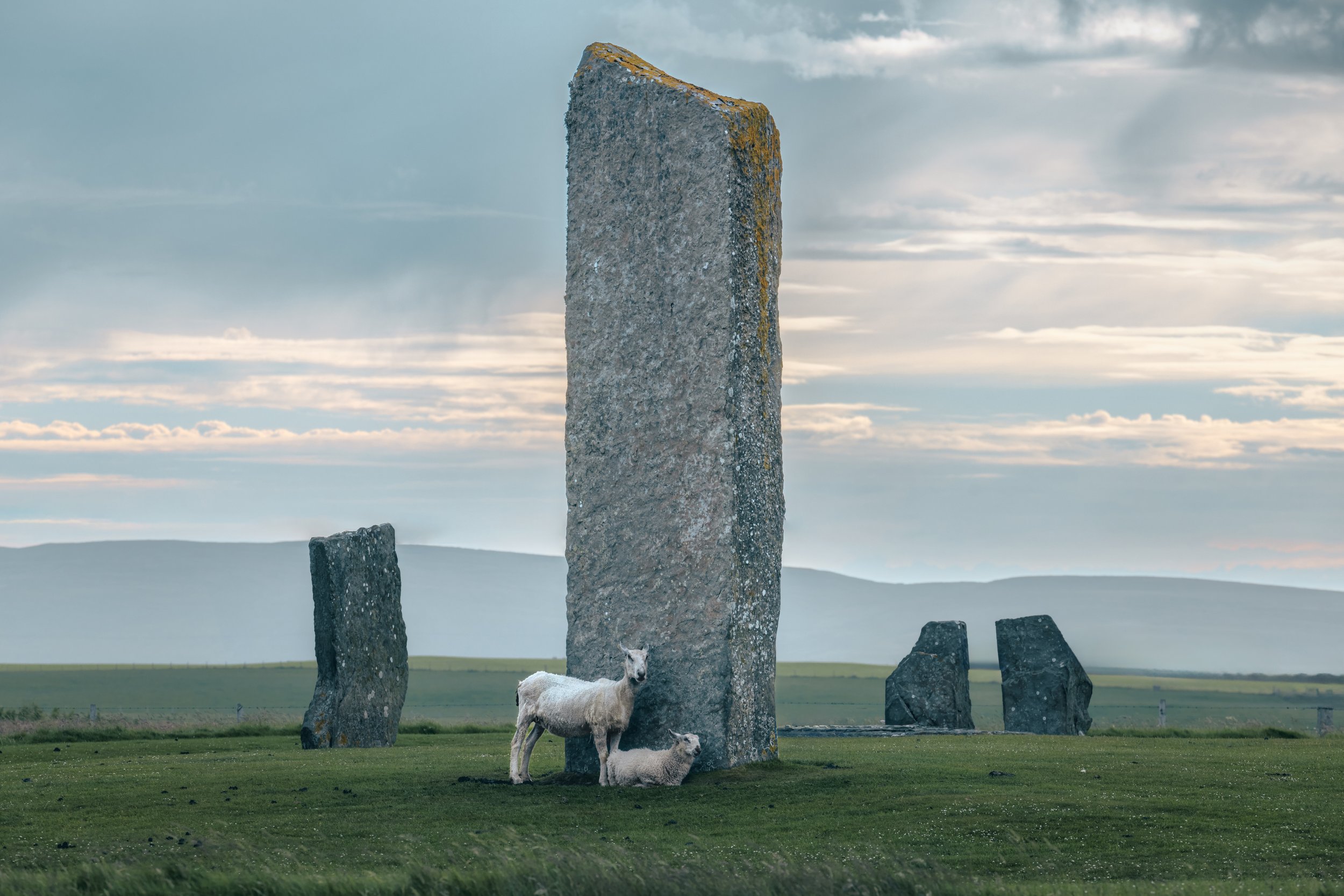
We drove the coastal road across Orkney’s main island. The landscape immediately felt vast and open, with low green fields and water visible almost everywhere. The coastline was a series of quiet bays and inlets where seals often rested on the rocks. The road itself wound between stone farmhouses and drystone walls, all beneath a wide sky where the weather seemed to shift every few minutes. The ancient history of the place was everywhere; the occasional line of standing stones or a distant Neolithic tomb a constant reminder that people have inhabited this land for millennia. It felt as if we were travelling through history itself.
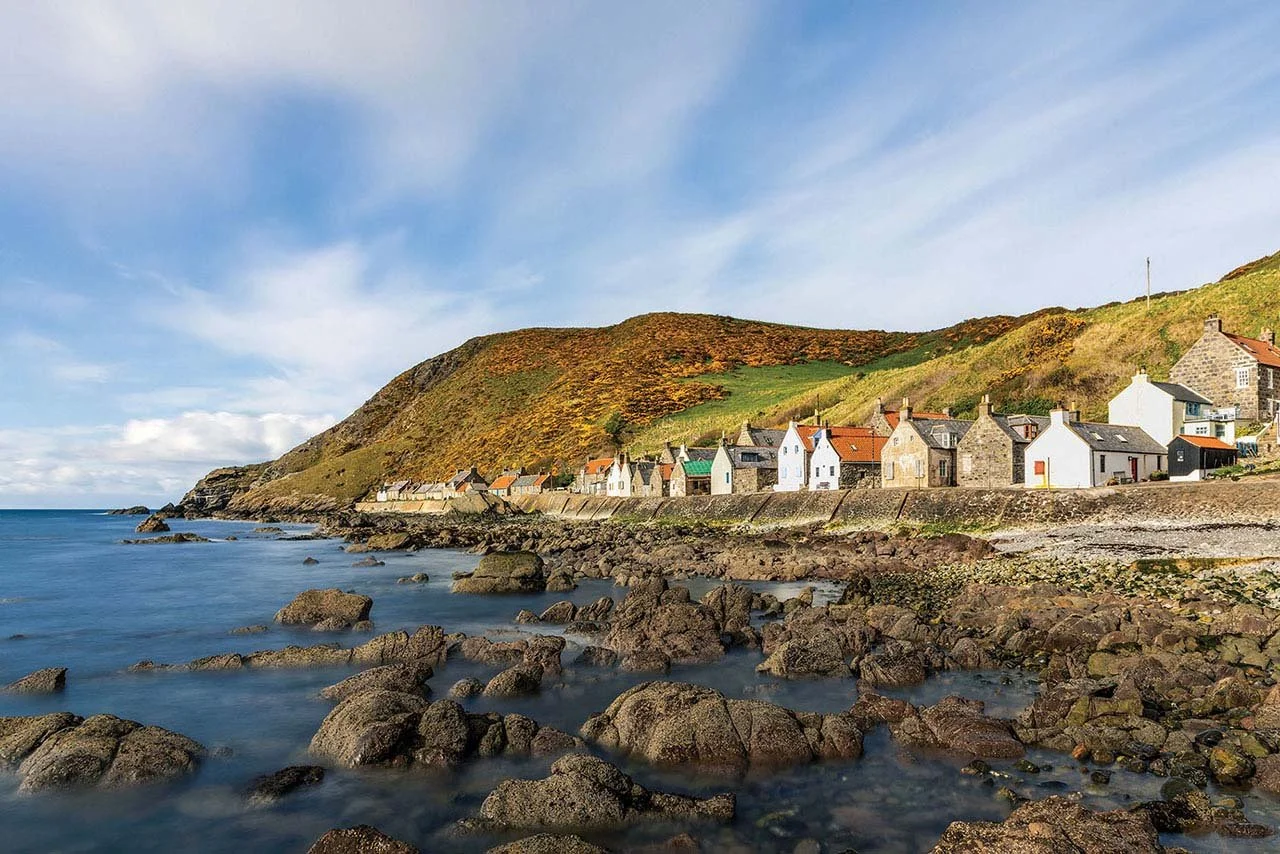
We made our way down the steep path to the village. Brian was muttering about the questionable wisdom of building homes where the sea could practically reach in through the letterbox during a storm, but I was too busy framing shots to respond—Crovie was just perfect for photos, each cottage slightly different from its neighbours, despite the unified front they presented to the sea.
"Look!" Brian nudged me, nearly ruining a perfectly composed shot. "Is that…?"
I followed his pointing finger to a small dog frolicking at the water's edge, its stubby legs splashing in the gentle waves. Even from a distance, I recognised the distinctive silhouette and tartan coat from the Likecosm account.
"Hashtaggie, in the flesh," I confirmed. "Or rather, in the fur."
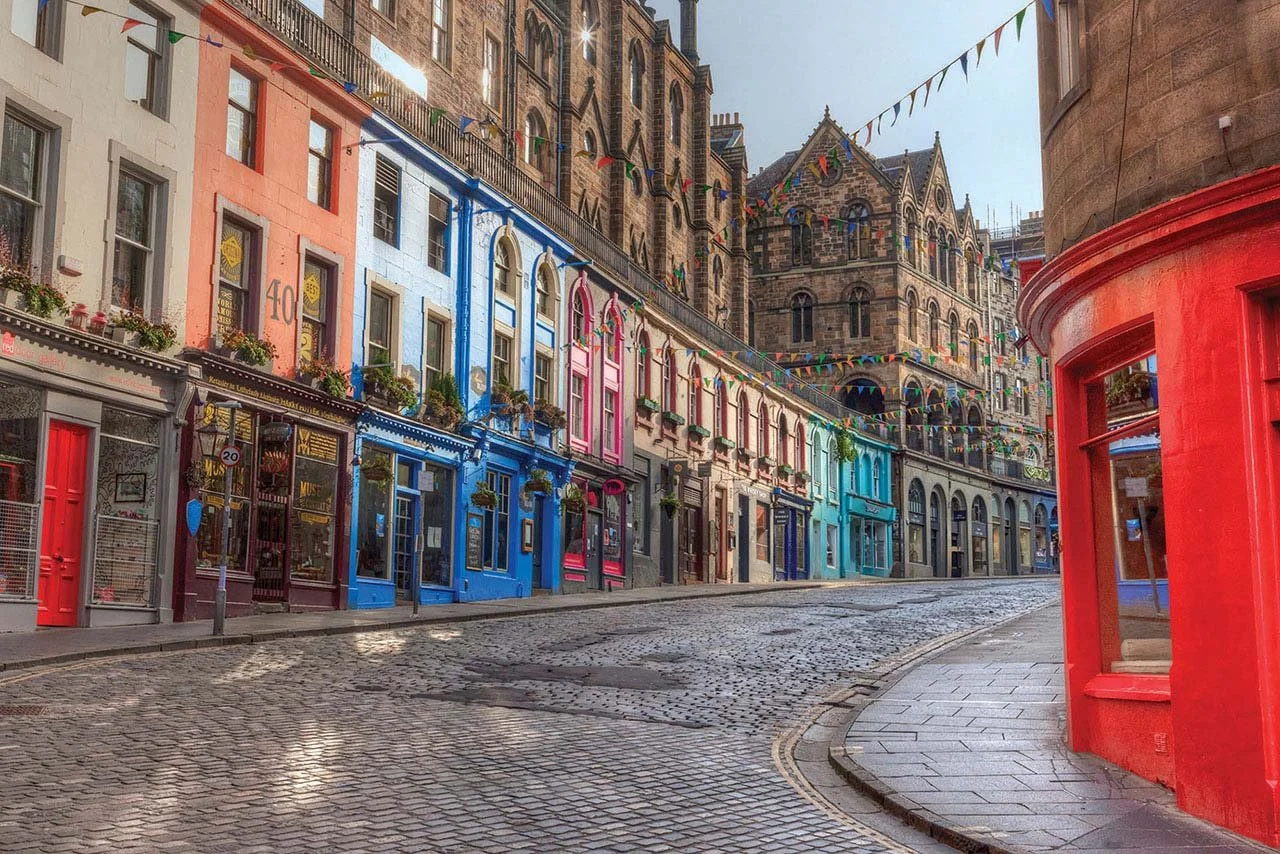
We plunged into the maze of wynds and closes that define Edinburgh's Old Town. Victoria Street was more crowded than I had ever seen it. A steady flow of visitors moved past the vibrant, colourful shopfronts. Despite last night's rain leaving the cobblestones wet and gleaming, the street retained its charm, with flower boxes gracing the windows and bright bunting strung overhead. I paused briefly outside a bookshop next to a cheese monger, gazing at the signed thriller novels in the window, imagining my own book displayed there one day. Tourists rushed past, clutching newly acquired tartan tea towels and miniature whisky bottles, all vying for the perfect selfie on the famous curved thoroughfare.
Brian glanced at the tourists, then back at me. "You'd never know, would you? That someone was actually murdered here."
I pointed at the stone steps leading down from Victoria Terrace above to the street level. "That's where they found her. Sana Patel, 26, a fashion influencer with about 40,000 followers. She was lying right there on the steps, her drone next to her."
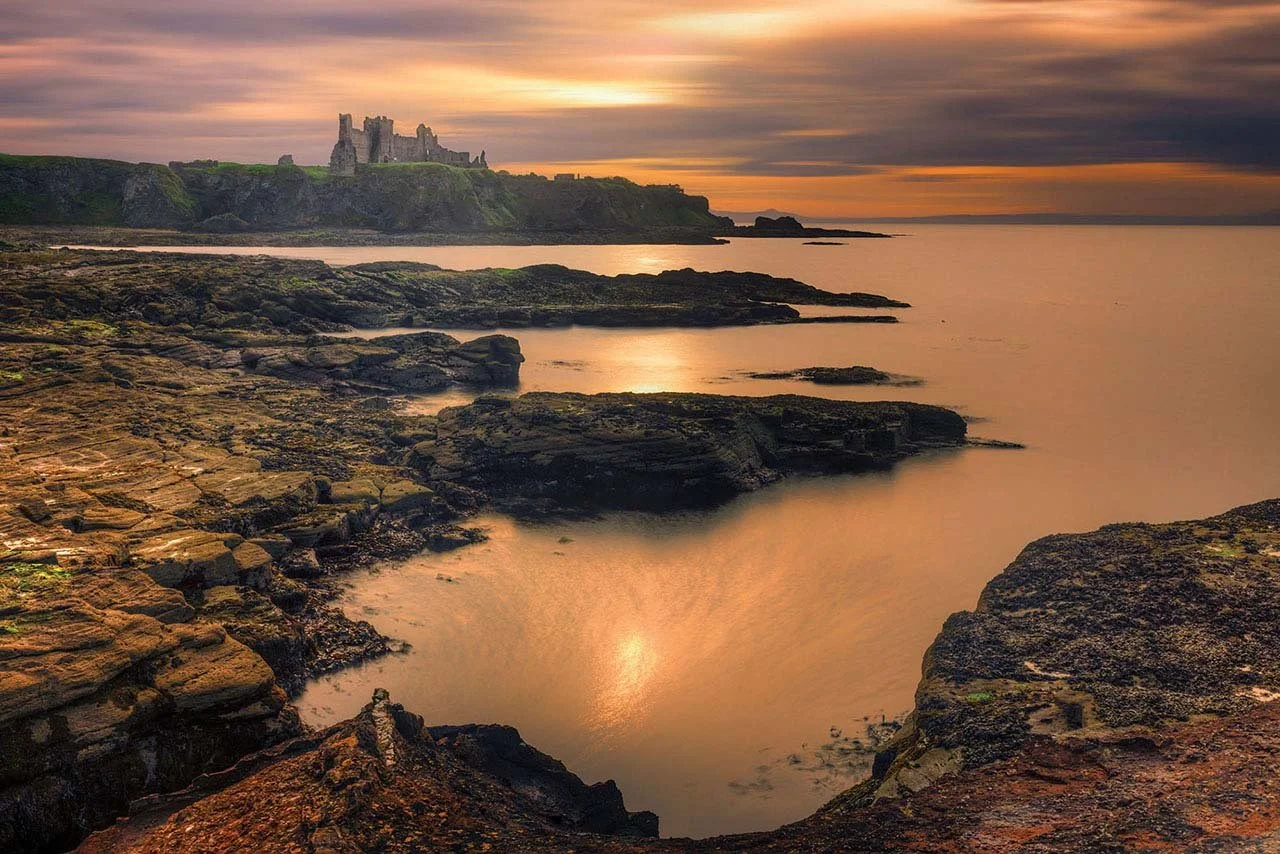
I took a shaky breath. "Murray, I just met her. At my book signing. Tantallon Castle is on my guidebook cover. I wrote that the best place to photograph it is from Seacliff Harbour."
There was a heavy silence on the line.
"I know," he finally said. "We found a copy of your book in her backpack, which was still on the cliffs. The page for Tantallon was bookmarked."
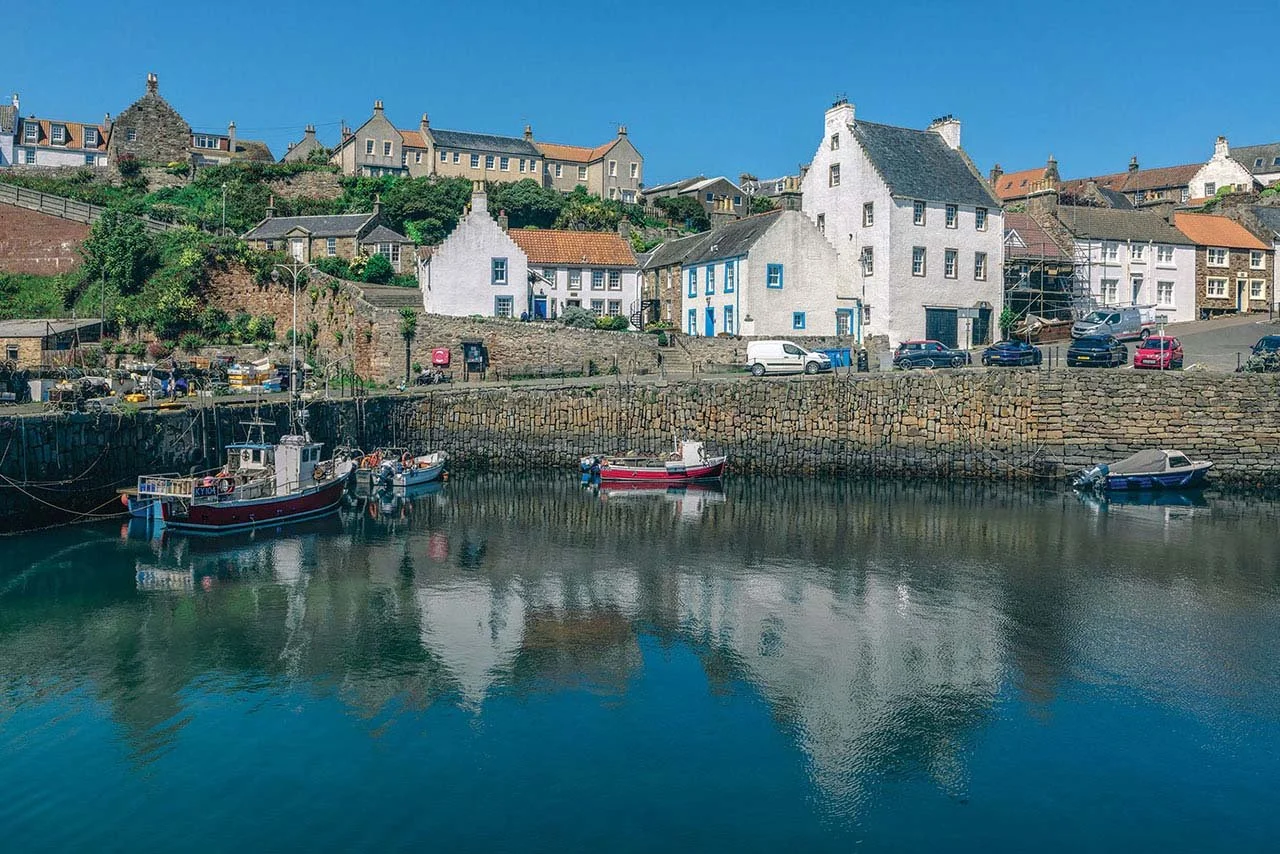
As we drove along the coastal road from Edinburgh to Crail, I noticed our electric car seemed to hum differently. Could an EV really sound disapproving? I glanced at the dashboard, half-expecting to see a warning light. Nothing. Just that persistent, slightly off-key hum that seemed to tell me: I don’t like this journey, turn back now.
I ignored my judgmental car, already mentally rehearsing what I would say to Kieran McPhee. Should I be direct? 'Hello, we think you might be a serial killer.' Probably not. Maybe something more professional, like 'We're researching traditional versus modern landscape photography.' That sounded better, but still a bit odd.
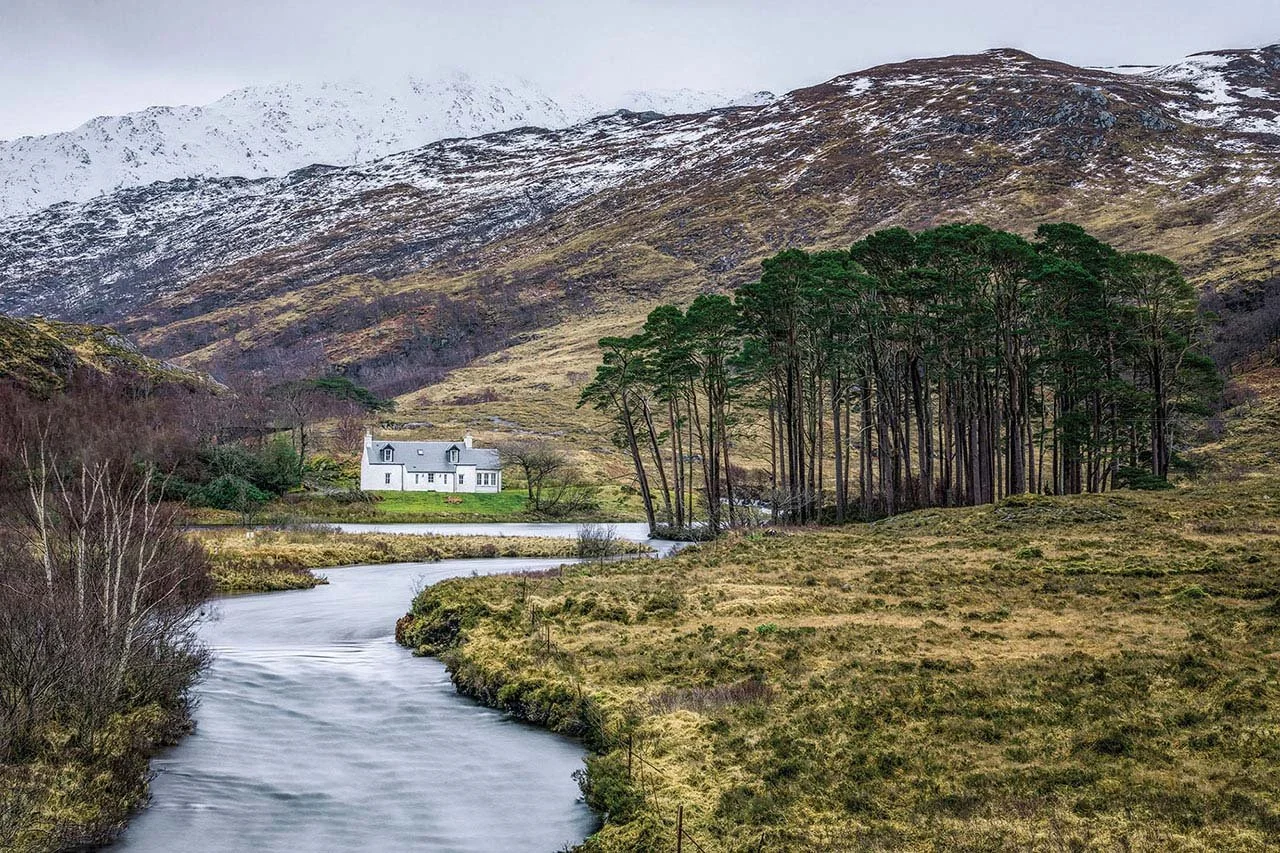
Ian's cottage in Ballachulish sat at the end of a road lined with pine trees, with a small loch visible in the distance. My little car rattled as we swerved around potholes deep enough to deserve their own loch names. From the outside, it looked like a classic Scottish home: stone walls, a slate roof, and smoke rising from the chimney. But once Ian opened the door, it was clear the inside was something else entirely.
"Welcome to my humble abode." Ian clapped his hands once, and the lights came on, bringing the place to life.
Brian let out a stunned breath. "Bloody hell. It's like NASA and a Highland gift shop had a baby."
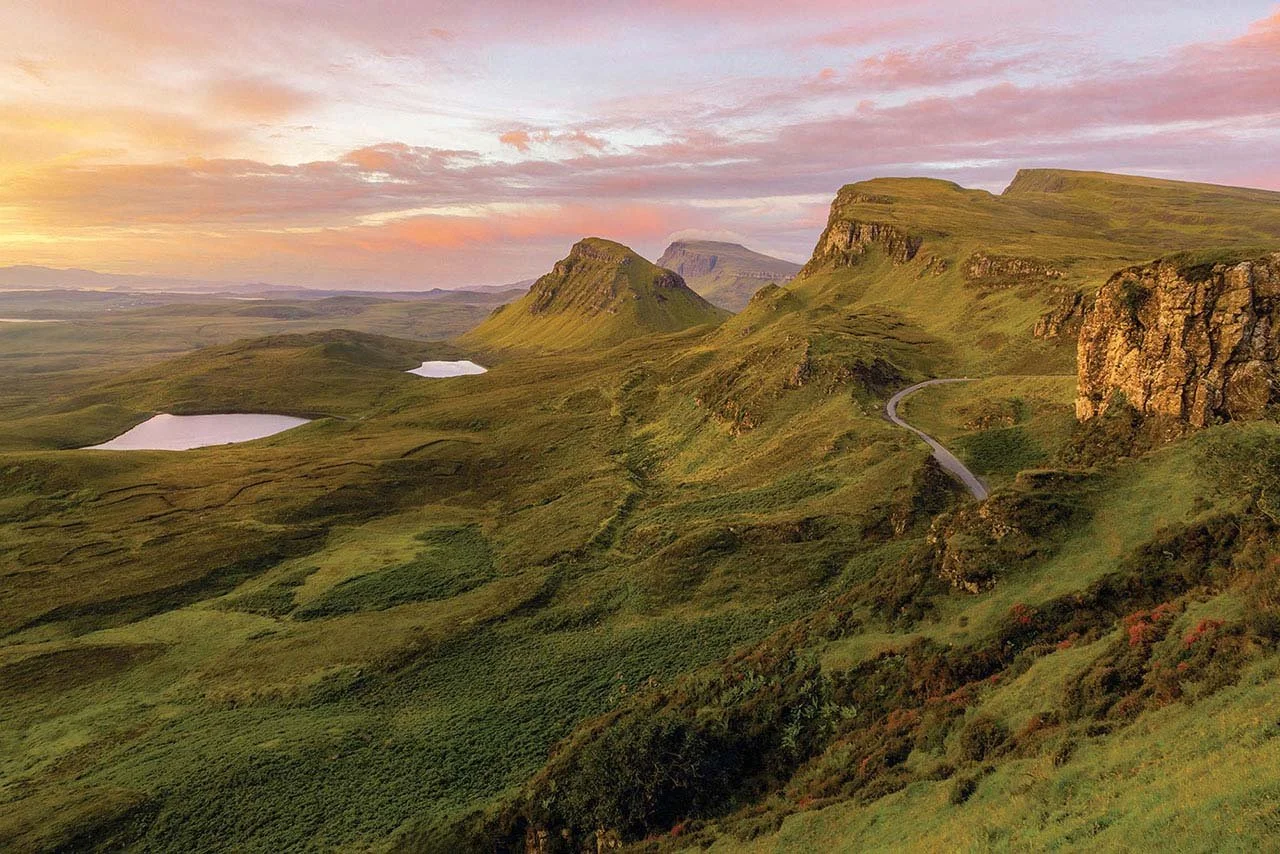
Through the thick fog, I could just make out The Needle's silhouette. On my last visit, the tall rock formation had been crowded with tourists posing for photos. Today, it was just me and the silent stone. It looked so unwelcoming, almost as if it wanted to be left alone.
Geologists say the Quiraing never stops moving. While the rest of the Trotternish ridge has settled, this part keeps inching toward the sea every year. Huge basalt caps slide over slippery Jurassic sediment, and each rainfall makes the slow struggle between rock and gravity even more intense. This movement, just a few centimetres each year, means the single-track road across this landscape is always in need of repairs.
Usually, the Quiraing is one of my favourite places on Skye. When I stand on top of these otherworldly cliffs and look down at the open green slopes and distant lochs, I remember why I chose to be a travel photographer. But today, I couldn't get rid of the feeling that the shifting ground beneath me was slowly moving toward the edge, ready to take me with it.